A fortress, a palace, and a living royal home
Few places in Europe reveal the evolution of monarchy as vividly as Windsor Castle, where medieval stonework and modern state tradition still coexist.
Inhaltsverzeichnis
Norman origins and strategic foundations

Windsor Castle began in the late 11th century, shortly after the Norman Conquest, when William the Conqueror established a ring of fortifications to secure power around London. Windsor’s position was ideal: elevated ground, commanding views of the Thames Valley, and close access to both the capital and royal hunting forests. What started as a timber motte-and-bailey stronghold gradually expanded into a permanent stone fortress, signaling that this was not a temporary military outpost but a long-term seat of authority.
Even today, when visitors gaze up at the Round Tower and curtain walls, they are looking at layers of strategic thinking shaped over centuries. The earliest Windsor was about defense and control, but it also became about symbolism: a visible declaration that the new rulers intended to stay. In many ways, the castle’s enduring identity begins here, where military necessity and political theatre were already inseparable.
Medieval kings and courtly life
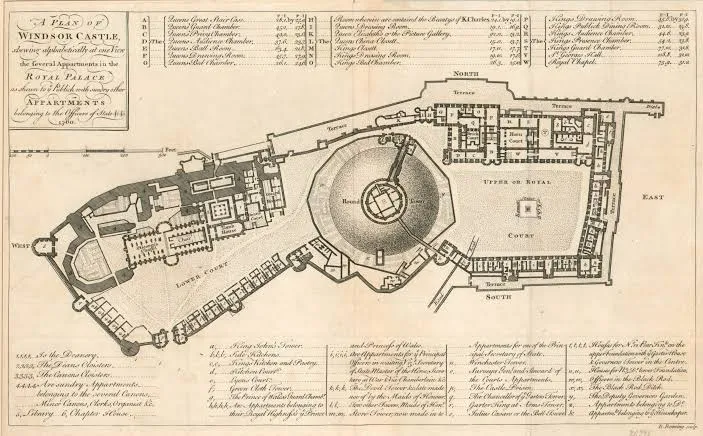
By the medieval period, Windsor had evolved beyond a fortress and into a genuine royal residence. Successive monarchs expanded domestic quarters, upgraded fortifications, and used the castle as a stage for court life, diplomacy, and governance. Its halls hosted feasts, negotiations, and rituals that linked monarchy to noble allegiance in an era when royal authority still relied heavily on personal presence.
Life in medieval Windsor was both ceremonial and practical. Behind the pageantry were kitchens, stables, chapels, and workshops that sustained a complex household. The castle functioned like a small city under royal command, where architecture reflected hierarchy at every turn. Walking through Windsor today, you can still sense echoes of that world in the layered layout of upper and lower wards, towers, and gateways.
St George’s Chapel and sacred tradition
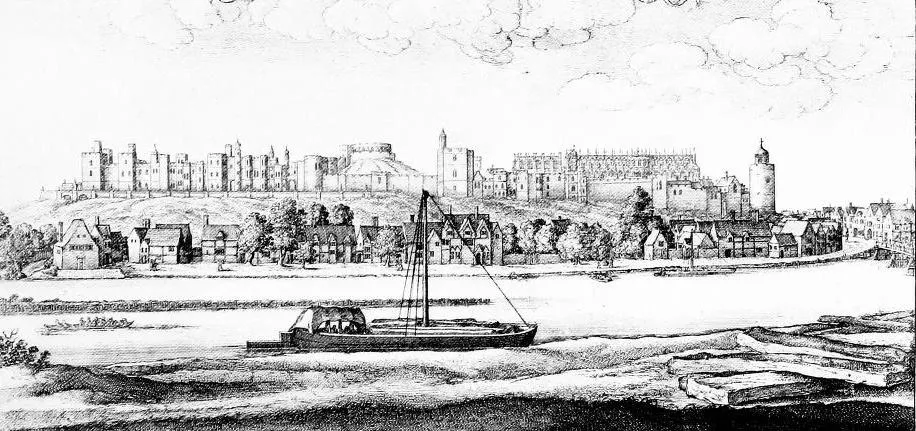
One of Windsor Castle’s greatest treasures is St George’s Chapel, begun in the late 15th century and celebrated as a masterpiece of Perpendicular Gothic architecture. More than an architectural landmark, it is a living ecclesiastical space tied to the Order of the Garter, Britain’s oldest and most prestigious order of chivalry. Its choir stalls, heraldic banners, and carved stonework create an atmosphere where religion, monarchy, and national identity intertwine.
The chapel is also a place of memory. It holds the tombs of numerous monarchs, including Henry VIII and Charles I, and has hosted modern royal ceremonies that captured global attention. For visitors, this continuity is striking: what appears at first glance to be a beautiful historic interior is also an active site of worship and commemoration, where the past is not merely displayed but still practiced.
Tudor and Stuart transformations
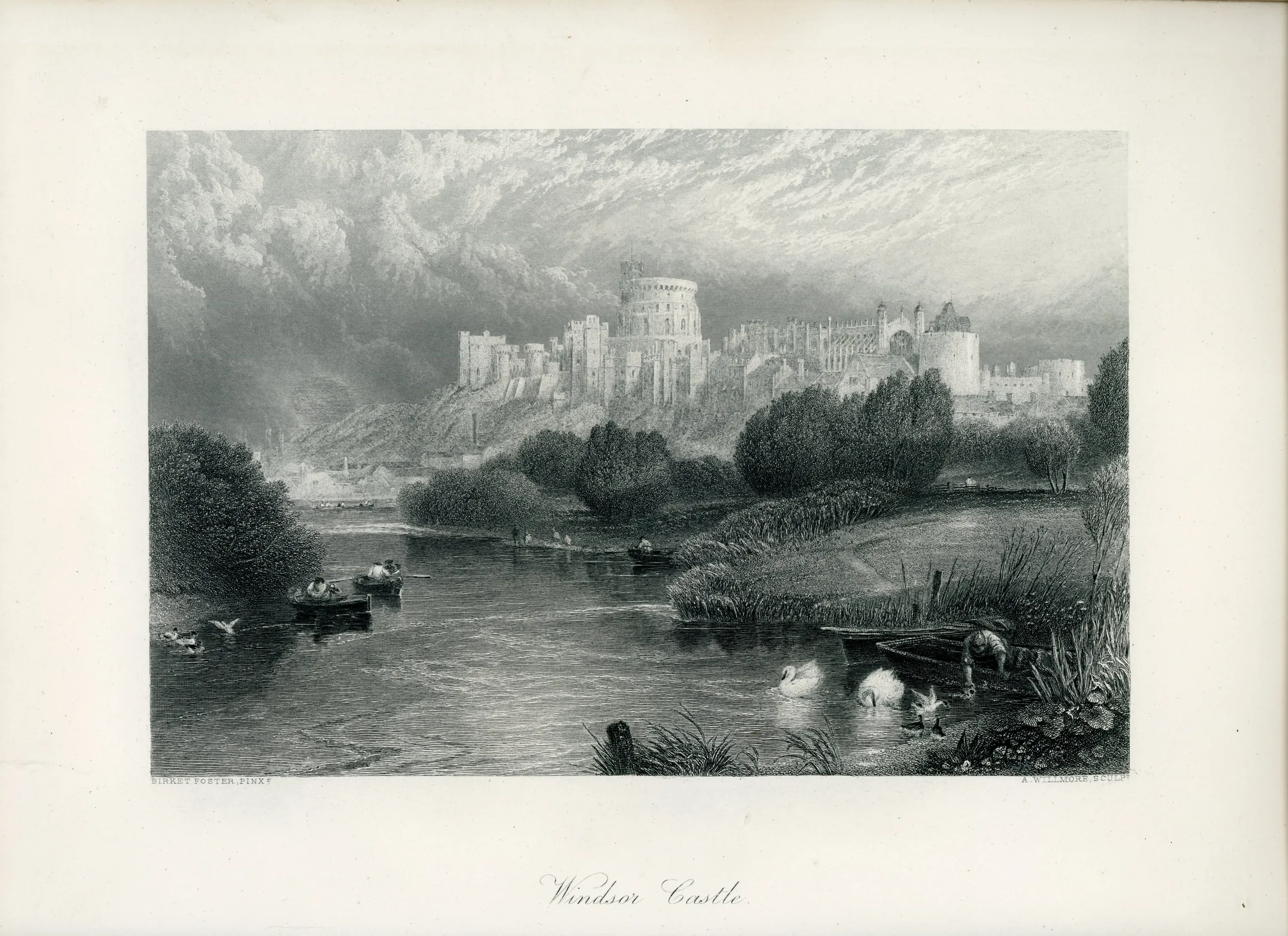
Under Tudor and Stuart monarchs, Windsor remained a crucial royal residence while Britain itself was reshaped by religious conflict, political upheaval, and constitutional struggle. Henry VIII’s association with Windsor remains especially powerful, and the castle’s role during the Reformation period tied it to wider national shifts in church authority and royal legitimacy.
The 17th century brought civil war and instability, yet Windsor persisted as a symbol of monarchy through dramatic change. The castle’s fabric absorbed these tensions: altered interiors, reused spaces, and renewed ceremonial functions reflected how each generation adapted inherited authority to new political realities. At Windsor, architecture and history are inseparable records of that adaptation.
Georgian elegance and state ceremony
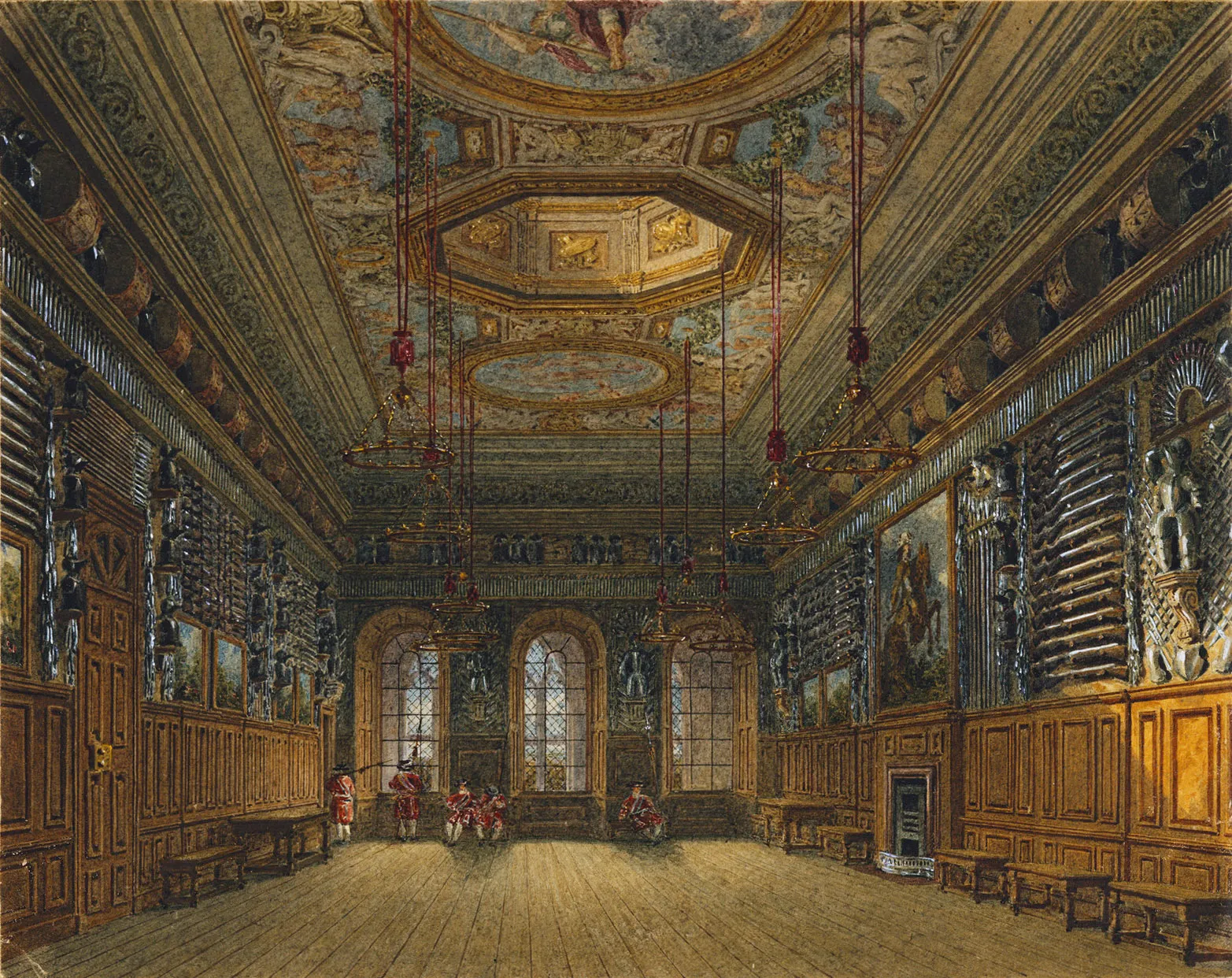
The Georgian period brought substantial artistic and architectural refinement to Windsor. Interiors were reimagined to reflect changing tastes in grandeur, comfort, and display, while royal patronage enriched the castle’s collections with paintings, furniture, and decorative arts of exceptional quality. Windsor increasingly projected monarchy through cultivated elegance rather than purely medieval might.
Ceremony also became more codified. Processions, receptions, and formal gatherings transformed rooms into theatrical spaces of governance and representation. This ceremonial logic still shapes the visitor experience today: when you move through the State Apartments, you are following routes designed not just for domestic life, but for the public language of monarchy.
Victorian Windsor and imperial identity
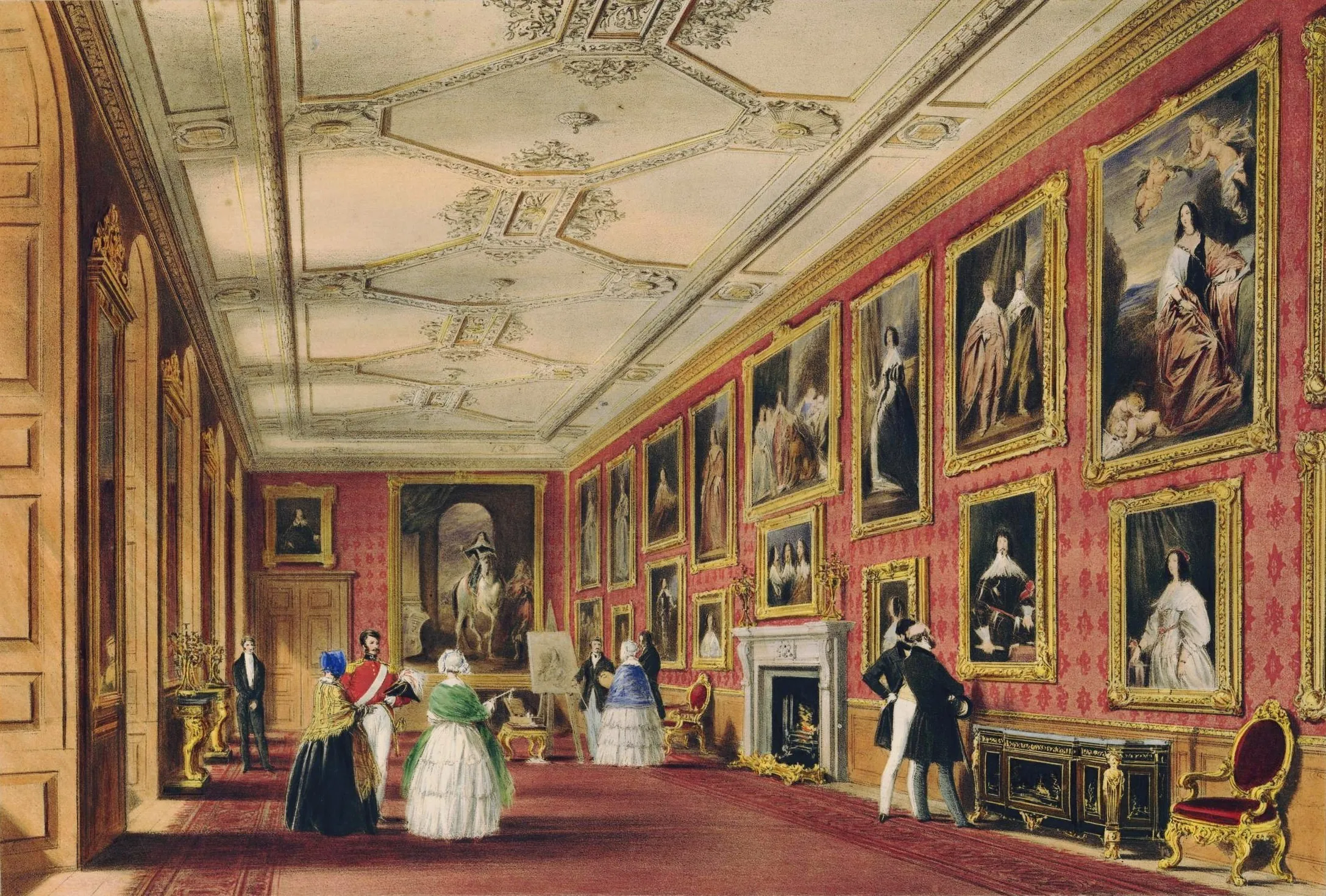
During Queen Victoria’s reign, Windsor acquired renewed emotional and symbolic significance for the monarchy. It became associated with family life, mourning, duty, and imperial identity at a time when Britain’s global influence was at its height. Public imagination increasingly linked Windsor with continuity and national stability.
This period also strengthened Windsor’s role in ceremonial culture and royal representation. The castle was not isolated from modernity; it absorbed technological, social, and political change while preserving inherited rituals. For modern visitors, that Victorian layering helps explain why Windsor can feel both ancient and unexpectedly familiar.
War years, shelter, and resilience
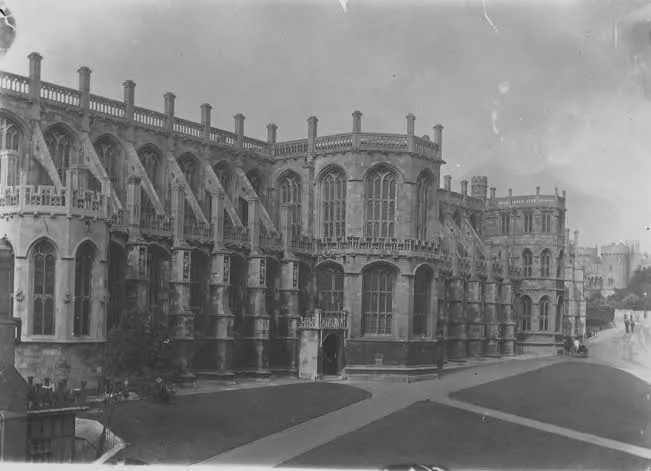
In the 20th century, Windsor Castle stood through periods of profound uncertainty, including two world wars that tested institutions across Europe. During wartime, royal residences carried practical and symbolic roles: places of security, continuity, and public reassurance. Windsor’s presence in that era reinforced its identity as more than architecture—it was part of a national story of endurance.
The castle’s survival also reminds us that heritage is not automatic. Buildings endure because people choose to maintain, adapt, and protect them through difficult times. Every conserved façade and restored room at Windsor reflects that ongoing work of stewardship across generations.
The 1992 fire and restoration
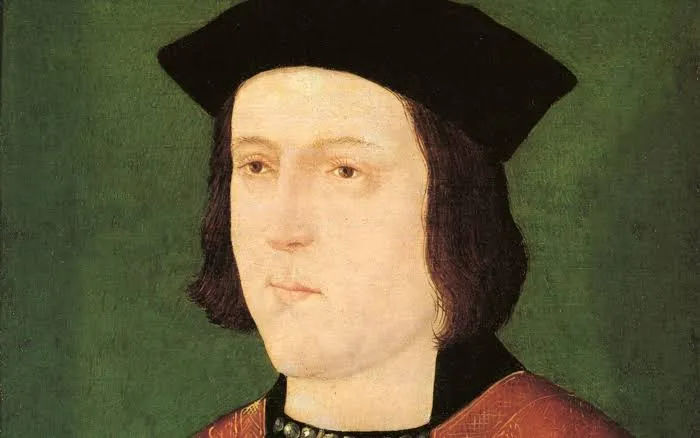
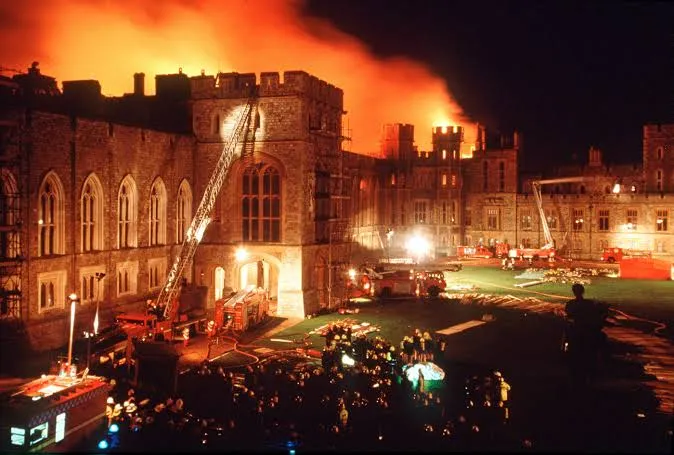
One of the most defining modern chapters in Windsor’s history came in 1992, when a devastating fire damaged significant parts of the castle, including major state rooms. Images of smoke above the ancient towers shocked the public and raised urgent questions about conservation, funding, and responsibility. Yet the response was remarkable in scale and ambition.
The restoration that followed combined traditional craftsmanship with modern technical precision, and many of the restored spaces are now celebrated examples of heritage recovery done exceptionally well. Rather than freezing the castle in a single past moment, the project respected historical character while acknowledging that living monuments must sometimes be repaired through contemporary expertise.
The castle as a working royal residence
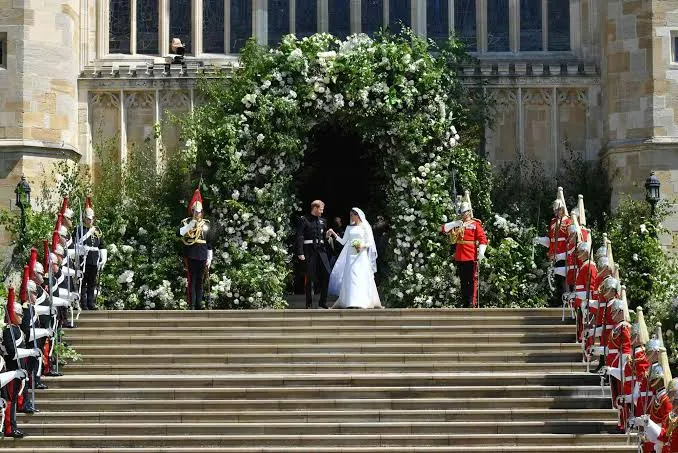
Unlike many historic palaces that function purely as museums, Windsor Castle remains an active royal residence and ceremonial venue. State occasions, diplomatic receptions, and official events still shape its rhythms, which is one reason visitor routes can occasionally change at short notice. This operational reality is part of what makes the site so compelling.
For visitors, that living function creates a rare sense of immediacy. You are not only looking backward at medieval masonry and Georgian interiors; you are entering spaces still linked to present-day constitutional and ceremonial life. Windsor’s significance lies precisely in this continuity between heritage and current public role.
Art, collections, and interiors
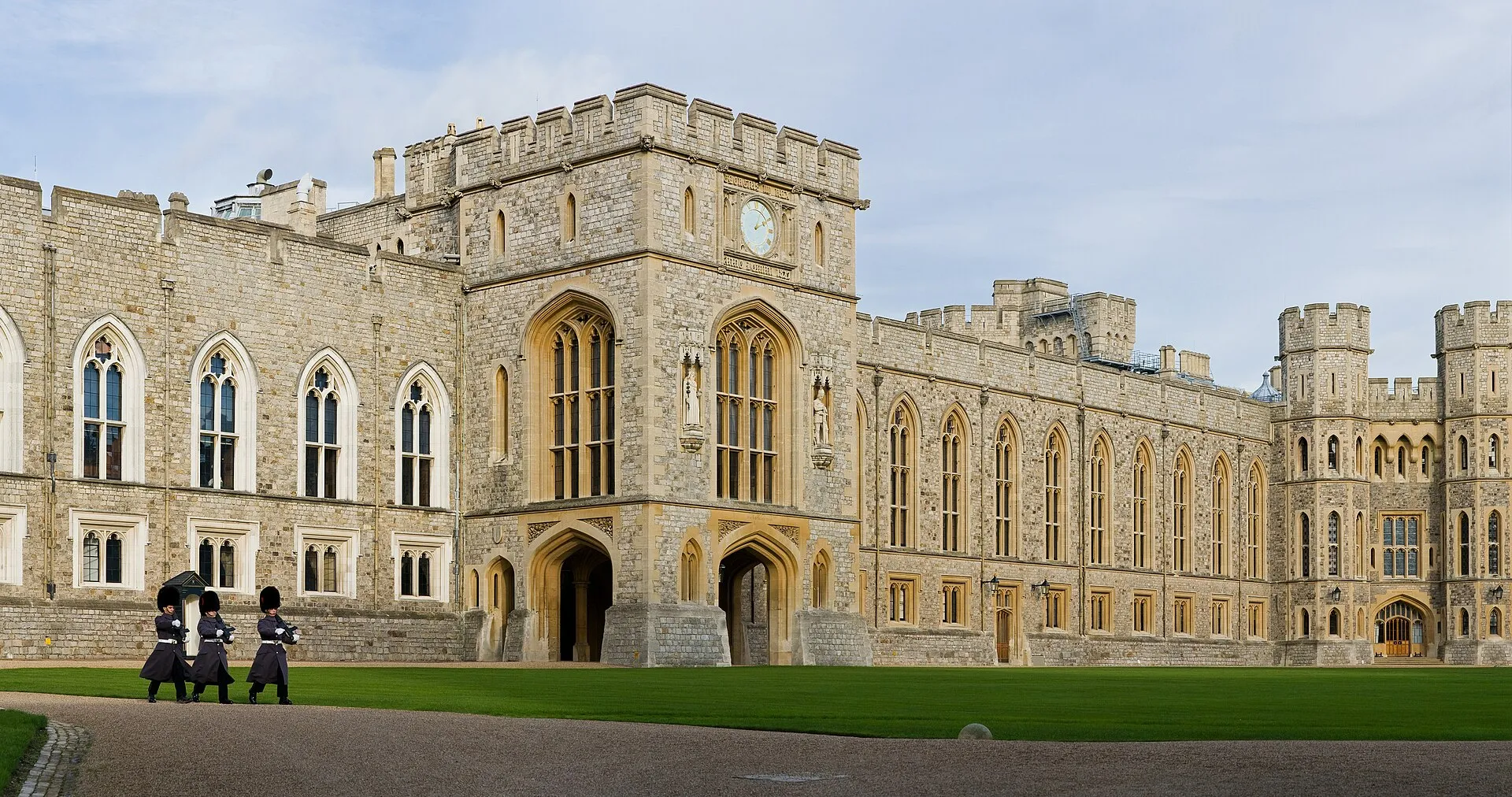
Windsor Castle houses extraordinary works of art and decorative objects assembled over centuries of royal collecting. From portraits by major European masters to ceremonial furniture and intricate craftsmanship, the collections reveal changing tastes, political alliances, and the cultural ambitions of different reigns.
These interiors are more than beautiful backdrops; they are carefully orchestrated environments where image, power, and memory interact. As you move from room to room, you can read shifts in style and symbolism that mirror wider changes in British society and monarchy.
Windsor town and royal ritual
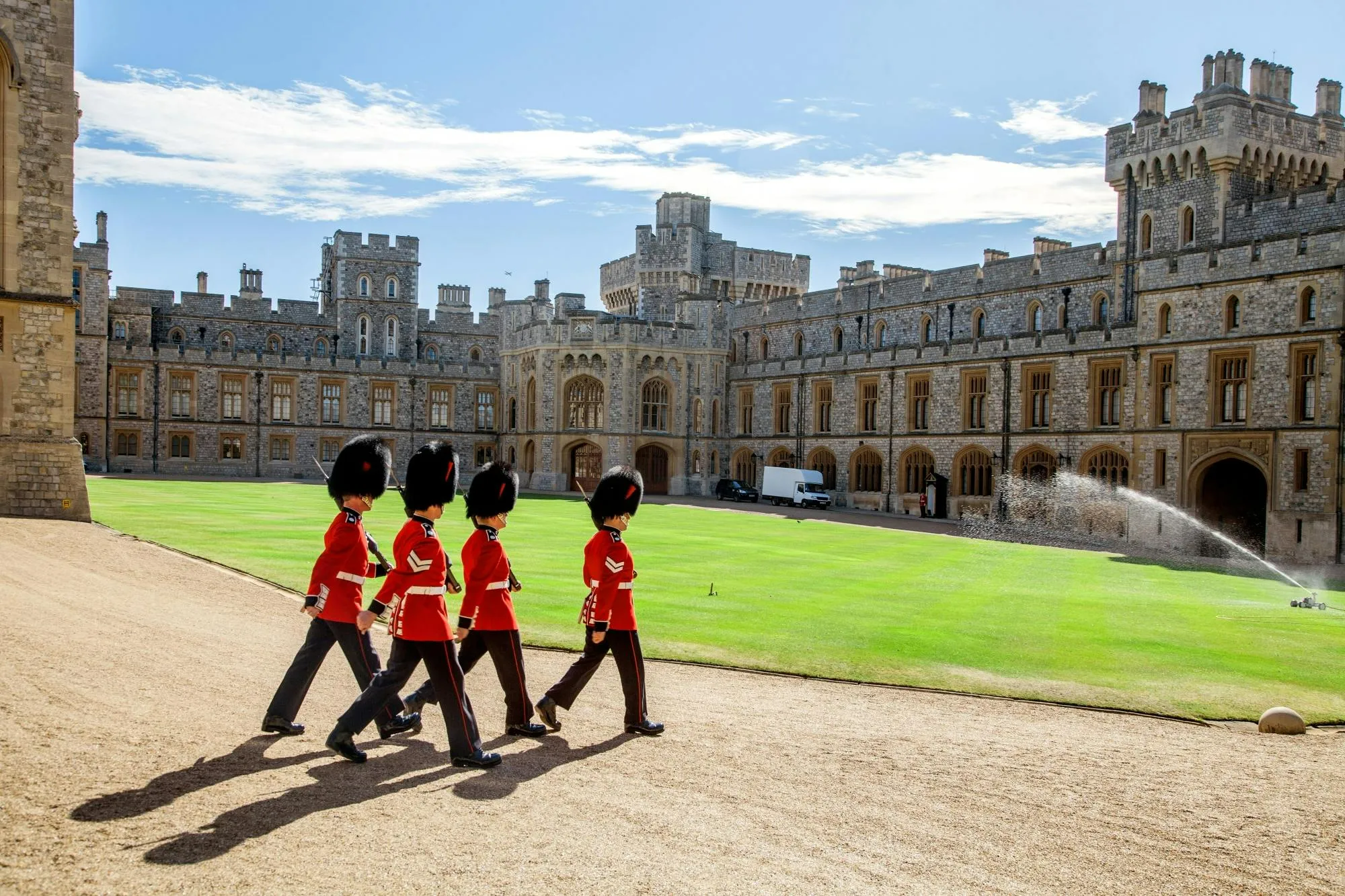
Windsor Castle does not stand apart from its town; it shapes Windsor’s identity, economy, and ceremonial calendar. Processions, civic celebrations, and seasonal visitor flows connect local life to national narrative. The rhythm of cafes, shops, stations, and river paths in Windsor often feels synchronized with the castle above.
This relationship between royal precinct and everyday town life is part of Windsor’s charm. A castle visit becomes richer when paired with time in the surrounding streets, where you can appreciate how heritage functions not only as history to admire, but as a living framework for community and place.
Visiting with context and respect
Because Windsor Castle is both a heritage site and a working residence, visiting with awareness makes a difference. Following photography guidance, respecting quiet areas in the chapel, and allowing time for security procedures all help protect the experience for everyone. A thoughtful pace usually rewards visitors with deeper appreciation than a rushed checklist approach.
It is also worth remembering that many spaces hold personal and national memory. Graves, memorials, and ceremonial rooms are not abstract exhibits; they are connected to real lives and historical turning points. Approaching them with curiosity and respect brings the castle’s story into sharper and more meaningful focus.
Why Windsor Castle still matters today
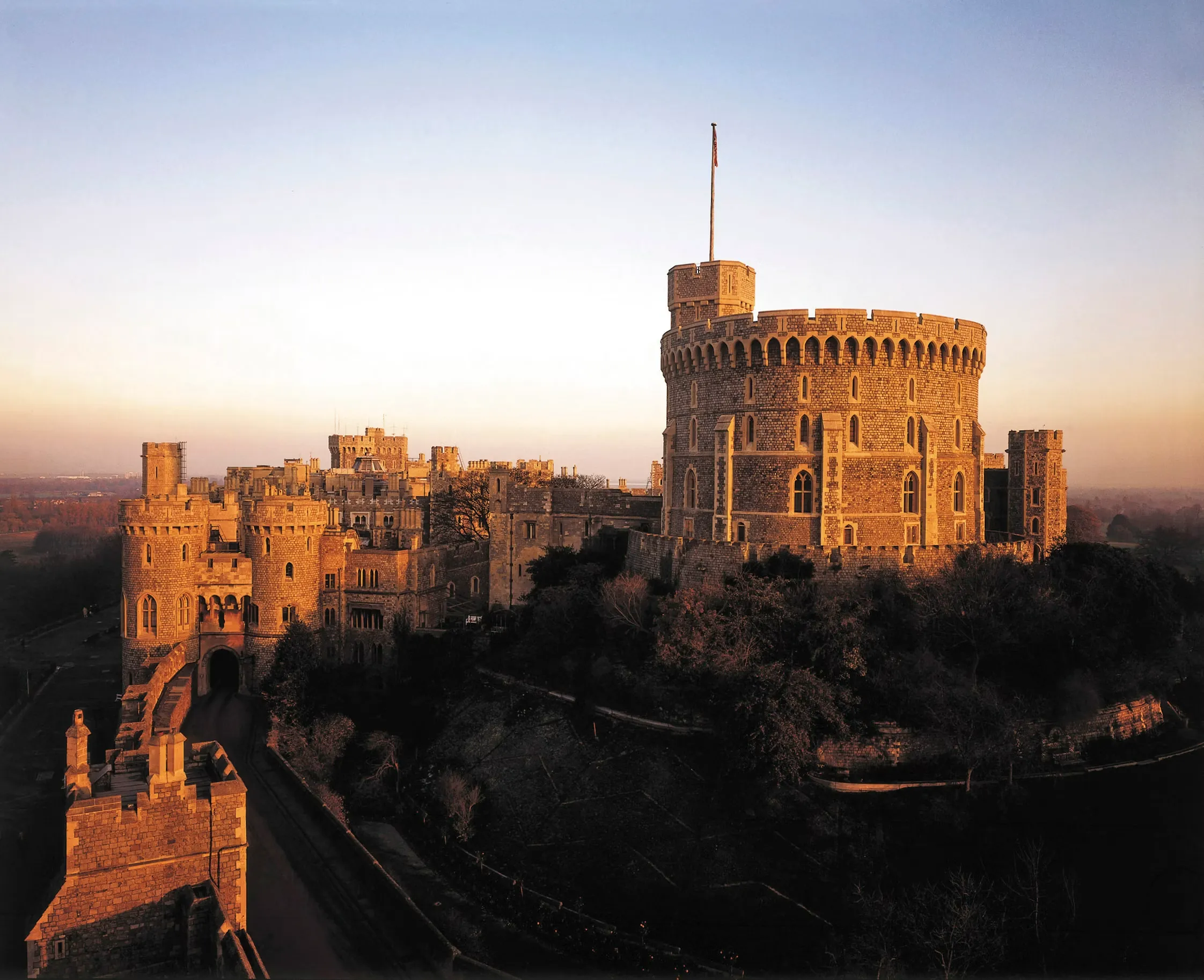
Windsor Castle endures because it embodies multiple timelines at once: Norman fortification, medieval court, Georgian ceremony, Victorian symbolism, modern restoration, and contemporary royal duty. Few landmarks can hold such diverse chapters without feeling fragmented. At Windsor, continuity is the central theme, and each generation has added to the story rather than replacing it.
For modern visitors, that continuity offers something rare: a chance to encounter history not as distant nostalgia, but as a living institution shaped by change, resilience, and public memory. Whether you come for architecture, monarchy, art, or curiosity, Windsor Castle leaves most people with the same impression—this is not only where history happened, but where it is still being made.
Inhaltsverzeichnis
Norman origins and strategic foundations
Windsor Castle began in the late 11th century, shortly after the Norman Conquest, when William the Conqueror established a ring of fortifications to secure power around London. Windsor’s position was ideal: elevated ground, commanding views of the Thames Valley, and close access to both the capital and royal hunting forests. What started as a timber motte-and-bailey stronghold gradually expanded into a permanent stone fortress, signaling that this was not a temporary military outpost but a long-term seat of authority.
Even today, when visitors gaze up at the Round Tower and curtain walls, they are looking at layers of strategic thinking shaped over centuries. The earliest Windsor was about defense and control, but it also became about symbolism: a visible declaration that the new rulers intended to stay. In many ways, the castle’s enduring identity begins here, where military necessity and political theatre were already inseparable.
Medieval kings and courtly life
By the medieval period, Windsor had evolved beyond a fortress and into a genuine royal residence. Successive monarchs expanded domestic quarters, upgraded fortifications, and used the castle as a stage for court life, diplomacy, and governance. Its halls hosted feasts, negotiations, and rituals that linked monarchy to noble allegiance in an era when royal authority still relied heavily on personal presence.
Life in medieval Windsor was both ceremonial and practical. Behind the pageantry were kitchens, stables, chapels, and workshops that sustained a complex household. The castle functioned like a small city under royal command, where architecture reflected hierarchy at every turn. Walking through Windsor today, you can still sense echoes of that world in the layered layout of upper and lower wards, towers, and gateways.
St George’s Chapel and sacred tradition
One of Windsor Castle’s greatest treasures is St George’s Chapel, begun in the late 15th century and celebrated as a masterpiece of Perpendicular Gothic architecture. More than an architectural landmark, it is a living ecclesiastical space tied to the Order of the Garter, Britain’s oldest and most prestigious order of chivalry. Its choir stalls, heraldic banners, and carved stonework create an atmosphere where religion, monarchy, and national identity intertwine.
The chapel is also a place of memory. It holds the tombs of numerous monarchs, including Henry VIII and Charles I, and has hosted modern royal ceremonies that captured global attention. For visitors, this continuity is striking: what appears at first glance to be a beautiful historic interior is also an active site of worship and commemoration, where the past is not merely displayed but still practiced.
Tudor and Stuart transformations
Under Tudor and Stuart monarchs, Windsor remained a crucial royal residence while Britain itself was reshaped by religious conflict, political upheaval, and constitutional struggle. Henry VIII’s association with Windsor remains especially powerful, and the castle’s role during the Reformation period tied it to wider national shifts in church authority and royal legitimacy.
The 17th century brought civil war and instability, yet Windsor persisted as a symbol of monarchy through dramatic change. The castle’s fabric absorbed these tensions: altered interiors, reused spaces, and renewed ceremonial functions reflected how each generation adapted inherited authority to new political realities. At Windsor, architecture and history are inseparable records of that adaptation.
Georgian elegance and state ceremony
The Georgian period brought substantial artistic and architectural refinement to Windsor. Interiors were reimagined to reflect changing tastes in grandeur, comfort, and display, while royal patronage enriched the castle’s collections with paintings, furniture, and decorative arts of exceptional quality. Windsor increasingly projected monarchy through cultivated elegance rather than purely medieval might.
Ceremony also became more codified. Processions, receptions, and formal gatherings transformed rooms into theatrical spaces of governance and representation. This ceremonial logic still shapes the visitor experience today: when you move through the State Apartments, you are following routes designed not just for domestic life, but for the public language of monarchy.
Victorian Windsor and imperial identity
During Queen Victoria’s reign, Windsor acquired renewed emotional and symbolic significance for the monarchy. It became associated with family life, mourning, duty, and imperial identity at a time when Britain’s global influence was at its height. Public imagination increasingly linked Windsor with continuity and national stability.
This period also strengthened Windsor’s role in ceremonial culture and royal representation. The castle was not isolated from modernity; it absorbed technological, social, and political change while preserving inherited rituals. For modern visitors, that Victorian layering helps explain why Windsor can feel both ancient and unexpectedly familiar.
War years, shelter, and resilience
In the 20th century, Windsor Castle stood through periods of profound uncertainty, including two world wars that tested institutions across Europe. During wartime, royal residences carried practical and symbolic roles: places of security, continuity, and public reassurance. Windsor’s presence in that era reinforced its identity as more than architecture—it was part of a national story of endurance.
The castle’s survival also reminds us that heritage is not automatic. Buildings endure because people choose to maintain, adapt, and protect them through difficult times. Every conserved façade and restored room at Windsor reflects that ongoing work of stewardship across generations.
The 1992 fire and restoration
One of the most defining modern chapters in Windsor’s history came in 1992, when a devastating fire damaged significant parts of the castle, including major state rooms. Images of smoke above the ancient towers shocked the public and raised urgent questions about conservation, funding, and responsibility. Yet the response was remarkable in scale and ambition.
The restoration that followed combined traditional craftsmanship with modern technical precision, and many of the restored spaces are now celebrated examples of heritage recovery done exceptionally well. Rather than freezing the castle in a single past moment, the project respected historical character while acknowledging that living monuments must sometimes be repaired through contemporary expertise.
The castle as a working royal residence
Unlike many historic palaces that function purely as museums, Windsor Castle remains an active royal residence and ceremonial venue. State occasions, diplomatic receptions, and official events still shape its rhythms, which is one reason visitor routes can occasionally change at short notice. This operational reality is part of what makes the site so compelling.
For visitors, that living function creates a rare sense of immediacy. You are not only looking backward at medieval masonry and Georgian interiors; you are entering spaces still linked to present-day constitutional and ceremonial life. Windsor’s significance lies precisely in this continuity between heritage and current public role.
Art, collections, and interiors
Windsor Castle houses extraordinary works of art and decorative objects assembled over centuries of royal collecting. From portraits by major European masters to ceremonial furniture and intricate craftsmanship, the collections reveal changing tastes, political alliances, and the cultural ambitions of different reigns.
These interiors are more than beautiful backdrops; they are carefully orchestrated environments where image, power, and memory interact. As you move from room to room, you can read shifts in style and symbolism that mirror wider changes in British society and monarchy.
Windsor town and royal ritual
Windsor Castle does not stand apart from its town; it shapes Windsor’s identity, economy, and ceremonial calendar. Processions, civic celebrations, and seasonal visitor flows connect local life to national narrative. The rhythm of cafes, shops, stations, and river paths in Windsor often feels synchronized with the castle above.
This relationship between royal precinct and everyday town life is part of Windsor’s charm. A castle visit becomes richer when paired with time in the surrounding streets, where you can appreciate how heritage functions not only as history to admire, but as a living framework for community and place.
Visiting with context and respect
Because Windsor Castle is both a heritage site and a working residence, visiting with awareness makes a difference. Following photography guidance, respecting quiet areas in the chapel, and allowing time for security procedures all help protect the experience for everyone. A thoughtful pace usually rewards visitors with deeper appreciation than a rushed checklist approach.
It is also worth remembering that many spaces hold personal and national memory. Graves, memorials, and ceremonial rooms are not abstract exhibits; they are connected to real lives and historical turning points. Approaching them with curiosity and respect brings the castle’s story into sharper and more meaningful focus.
Why Windsor Castle still matters today
Windsor Castle endures because it embodies multiple timelines at once: Norman fortification, medieval court, Georgian ceremony, Victorian symbolism, modern restoration, and contemporary royal duty. Few landmarks can hold such diverse chapters without feeling fragmented. At Windsor, continuity is the central theme, and each generation has added to the story rather than replacing it.
For modern visitors, that continuity offers something rare: a chance to encounter history not as distant nostalgia, but as a living institution shaped by change, resilience, and public memory. Whether you come for architecture, monarchy, art, or curiosity, Windsor Castle leaves most people with the same impression—this is not only where history happened, but where it is still being made.